
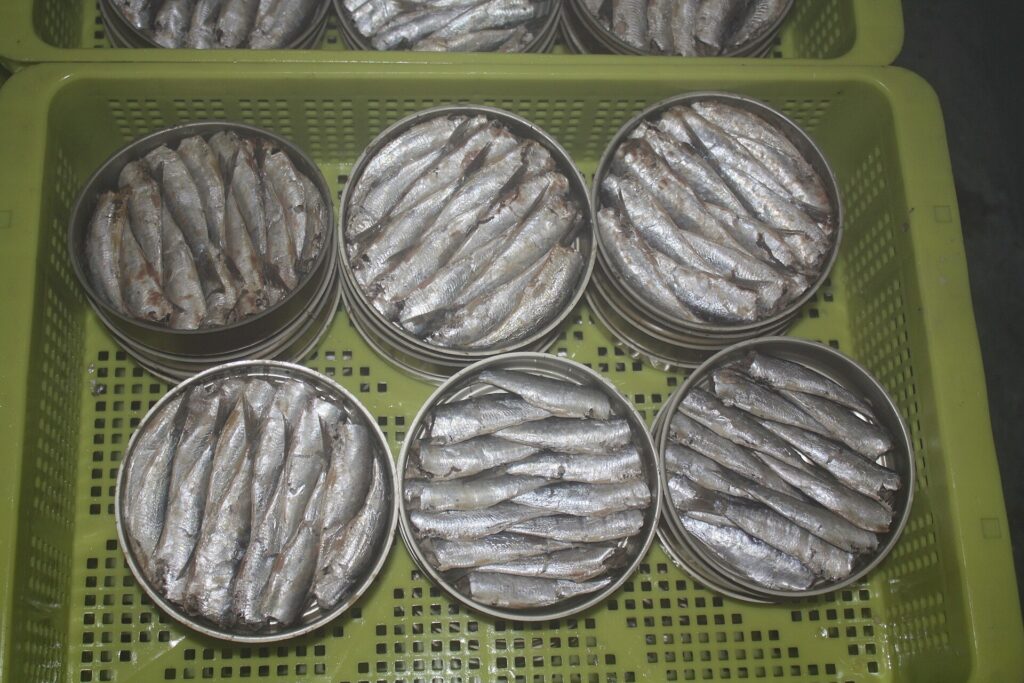
For the small-scale fisher, the biggest problem is not always the lack of a catch. More often the difficulty is that the product has to be sold quickly, at a price dictated by its short shelf life. As a result, part of the value stays outside the fishing community.
Artisanal processing offers a different approach. It allows seasonal local fish to become a product with a longer life, a clear brand and access to new customers.
A proven example comes from Galicia, Spain. Three women over 45, two of them unemployed, founded Currican, a small artisanal fish-canning business. The total investment was €53,124, of which €23,909 came from Axis 4 of the European Fisheries Fund. In its first full year the company reported a turnover of €65,000. It created 2.5 jobs and signed an export contract with Mexico.
This result does not mean that Burgas–Kameno should immediately build its own cannery. A more sensible first stage is small and measurable.
One local seasonal species that is often sold at a low price could be selected. With the help of a food technologist, two or three safe recipes are developed. Production of the first batch can be outsourced to a registered facility. This avoids large construction costs and tests whether consumers actually want the product.
A trial batch of 100–200 units can be offered to a few restaurants, local shops and customers on pre-order. Cost price, selling price, repeat orders and profit per unit must be measured. Only a positive result justifies the next investment.
FLAG Burgas–Kameno can be the organiser of this process: identifying the fisher and the right species, finding a technologist and a registered producer, connecting the project with restaurants and shops, and helping with branding and financing.
The European example shows what matters most: small-scale processing can create jobs and new income when it starts from a real local product and proven demand.